
Uses of Humic Acid: Enhancing Soil and Plant Health Naturally
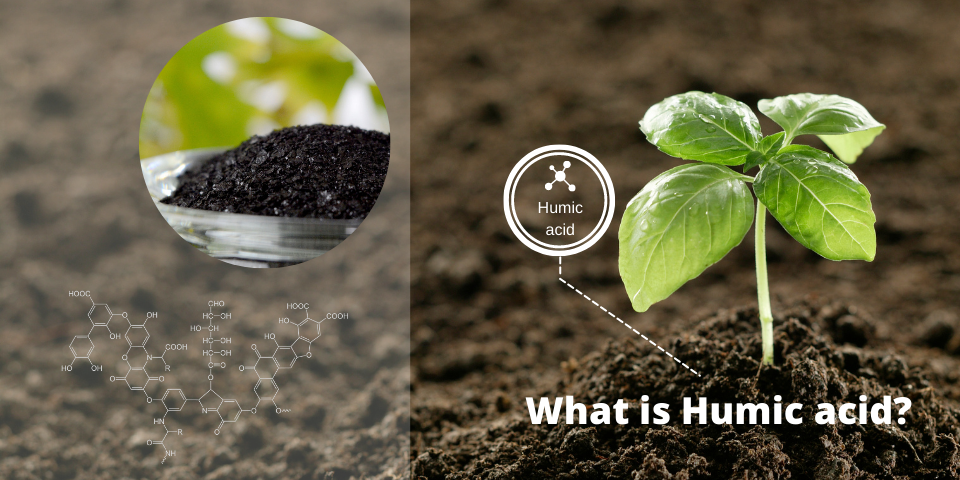
Humic acid is a natural organic compound that has become increasingly popular in modern agriculture and gardening due to its ability to improve soil fertility and promote plant growth. Understanding the uses of humic acid can help growers optimize crop yields while maintaining sustainable practices.
What is Humic Acid?
Humic acid is formed from the decomposition of plant and animal matter over time. It is commonly extracted from sources like leonardite, peat, and compost. This organic substance is highly effective in improving soil structure, nutrient availability, and overall plant health.
Key Properties
- Improves soil structure and fertility
- Enhances water retention and nutrient uptake
- Stimulates microbial activity in soil
- Supports plant growth and stress resistance
Primary Uses of Humic Acid
1. Soil Improvement
Humic acid is widely used to improve soil quality. It helps:
- Increase water retention in sandy soils
- Improve aeration in clay soils
- Balance soil pH
- Enhance nutrient holding capacity
2. Fertilizer Enhancer
Humic acid acts as a natural chelating agent, making nutrients in the soil more available to plants. Using humic acid alongside organic or chemical fertilizers can significantly boost nutrient efficiency and plant growth.
3. Root Development
Applying humic acid promotes stronger and more extensive root systems. Healthy roots improve water and nutrient absorption, resulting in more resilient and productive plants.
4. Foliar Spray
Humic acid can be applied directly to leaves as a foliar spray. This method provides a quick nutrient boost and helps plants recover from stress caused by drought, heat, or disease.
5. Microbial Stimulation
Humic acid supports the growth of beneficial microorganisms in the soil. These microbes decompose organic matter, release nutrients, and maintain a healthy soil ecosystem, essential for sustainable farming.
6. Stress Resistance
Plants treated with humic acid are better equipped to withstand environmental stresses, such as:
- Drought and water scarcity
- Soil salinity
- Pest and disease pressure
Application Methods
- Soil Application: Mix humic acid into the soil before planting or during the growing season.
- Irrigation: Add humic acid to irrigation water for even distribution across crops.
- Foliar Spray: Dilute with water and spray directly on leaves for rapid absorption.
Tips for Effective Use
- Follow recommended dosages to avoid over-application
- Combine with organic fertilizers for balanced nutrition
- Apply during critical growth stages for optimal results
- Monitor plant and soil health for necessary adjustments
FAQs
What are the main uses of humic acid?
Humic acid is used to improve soil structure, enhance nutrient absorption, stimulate root growth, support microbial activity, and increase plant resistance to stress.
Can humic acid be used for all types of crops?
Yes, it is safe and effective for most plants, including vegetables, fruits, ornamental plants, and herbs.
How should humic acid be applied for best results?
Humic acid can be applied to soil, mixed with irrigation water, or sprayed on leaves. Regular application during the growing season ensures optimal plant growth and soil health.
Conclusion
The uses of humic acid extend far beyond simple soil enrichment. By enhancing nutrient availability, promoting root development, and supporting microbial activity, humic acid contributes to healthier plants, higher yields, and sustainable agricultural practices. Incorporating humic acid into cultivation ensures long-term soil fertility and stronger, more resilient crops.