
How Mobile Apps Are Changing the Way People Manage Financial Services
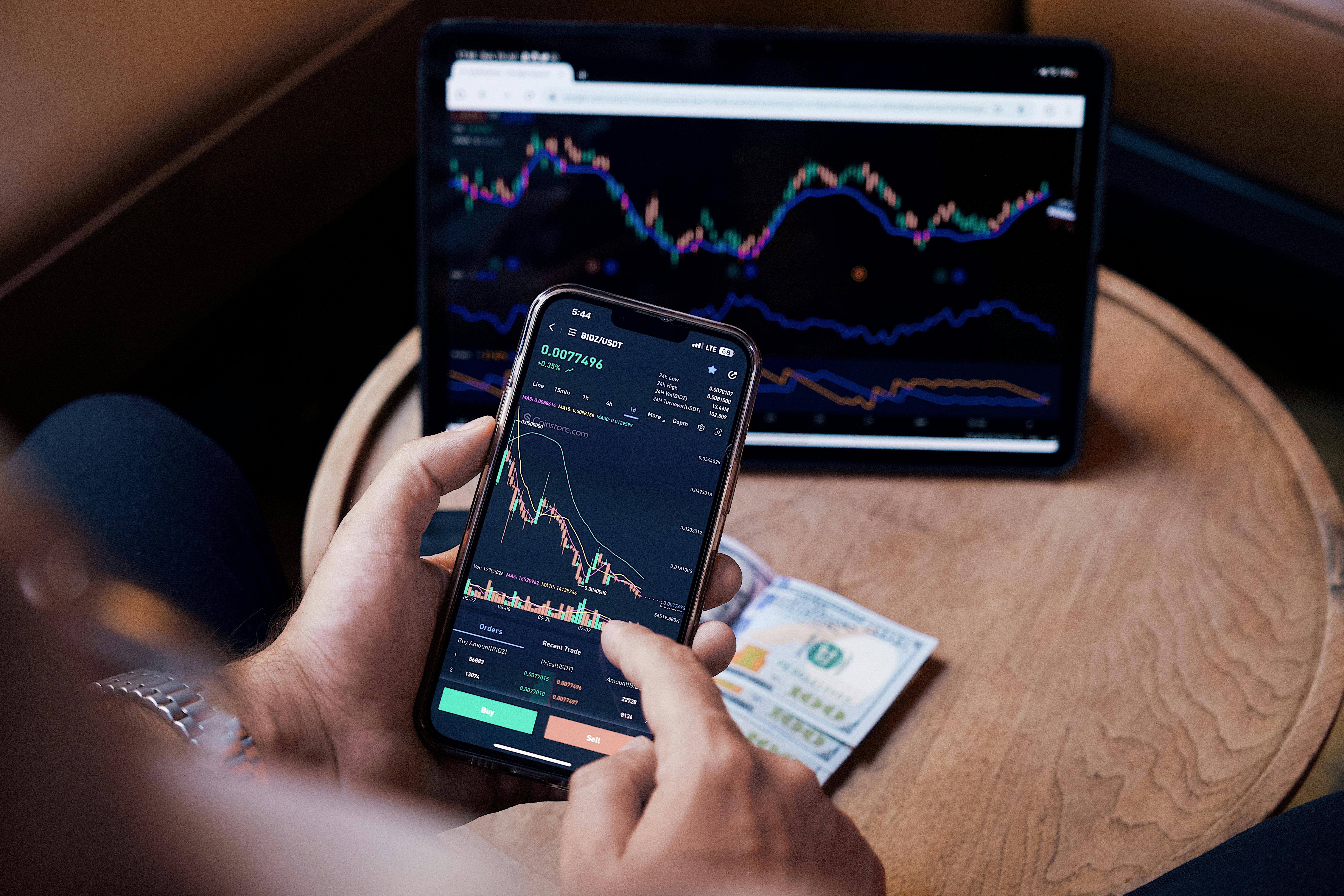
For many people, a forex trading app now sits alongside utility portals, banking apps and government service tools on the same phone. This is part of a wider shift in how services are accessed. Tasks that once required a visit to an office or a desktop computer are increasingly handled through small screens, simple menus and saved logins. The change is not limited to finance. It reflects a broader move toward mobile access as the default way to manage everyday digital services.
One reason apps have taken on this role is simply where people spend their time. Research on mobile behavior shows that around 90 percent of time spent on mobile devices now happens inside apps rather than in web browsers. That pattern has pushed many service providers to treat the app as the main point of contact rather than a secondary option.
Why Service Access Has Moved to Mobile Apps
The move toward apps is not only about convenience. It is also about expectations. People now assume they can check records, download documents and review account information at any time. Utility customers, for example, often look for quick ways to view bills or confirm payment details without needing to visit an office or wait for printed copies. The same pattern appears across many other services.
Websites still exist, but they no longer carry the whole load. Apps allow information to be stored locally, logins to be remembered securely and updates to appear without the user needing to search for them. This changes how services are structured. Instead of thinking in terms of occasional visits, providers have to plan for regular, short interactions. A user might open an app for a few seconds to check a figure, confirm a status, or download a document, then close it again.
This behavior also explains why different types of services now look similar on a phone. Whether someone is using a utility portal, a banking tool, or a forex trading app, the basic pattern is the same. There is a login screen, a dashboard, a list of recent activity and a way to access records. The content differs, but the structure reflects the same need for fast, repeat access.
How a Forex Trading App Fits Into Everyday Mobile Use
A forex trading app is often treated like other account-based tools on a phone rather than like specialist desktop software. In everyday use, it sits alongside banking apps, billing portals and other services that people open briefly to check records or confirm details. The focus is not on long sessions but on quick access to information already part of an established routine.
This changes how such apps are judged. Speed, clarity and reliability tend to matter more than the number of features in regular use. If navigation becomes confusing or basic information takes longer to load, the problem is noticed immediately, just as it would be with any other service app. The expectations are practical rather than technical. Users look for predictable menus, stable performance and screens that reflect what they last saw.
Seen this way, a forex trading app is less an exception and more an example of a broader shift. Services that once belonged to desktop platforms are now part of normal phone use. The change is not about turning smartphones into specialist workstations. It is about making account access another everyday task, handled in the same place as other routine digital checks.
Reliability, Data Handling and Everyday Use
Once apps become part of daily routines, reliability stops being a technical detail and becomes a service issue. People depend on these tools to check information at specific moments, whether that is confirming a bill, reviewing an account, or downloading a statement. If an app is slow or unavailable, the task does not simply move to another time. It becomes a problem that interrupts normal activity.
The scale of mobile use explains why these issues are noticed so quickly. Mobile devices now account for close to 60 percent of global internet traffic, which means a large share of everyday online activity depends on phones and tablets. When a service fails on mobile, it affects a large number of users at once, not a small group using a specialist tool.
Data handling plays a role here as well. Records have to be stored correctly, updated at the right time and shown in a way that matches what users expect to see. This includes historical information, not just current figures. A person who opens an app is often looking for something specific, such as a previous bill or a past transaction and the design has to support that kind of search without confusion.
How This Changes the Way Services Are Designed
As a result, service design increasingly starts with the phone screen rather than the desktop page. Menus are simplified, actions are grouped into a few clear steps and information is arranged so it can be read quickly. This does not mean that all services become identical, but it does mean they follow similar rules about layout and flow.
For sites that focus on practical access, such as portals that help people manage accounts or retrieve documents, this shift is especially visible. The goal is not to add more features but to make common tasks easier to complete in short sessions. The same thinking applies across different sectors, including financial services, where tools like a forex trading app sit within a broader category of account and record management software.
What stands out is how normal this has become. A decade ago, mobile access was often described as an option. Today it is usually the first place people look. That change affects how services are built, how information is presented and how users think about access itself. Managing services through a phone is no longer a special case. It is the standard pattern for many everyday digital tasks.
E-E-A-T analysis
View details – click here
85%
| Order ID | 82687 | |
| Orderlink ID | 347854 | |
| Link | gepcoebill.pk | |
| Language | English |
| forex trading app found 1 time(s) | |
| https://www.grouphf.com/en/platfor… |
Article Images
Source: pexels.com