
Gold USD: Understanding the Global Gold Market
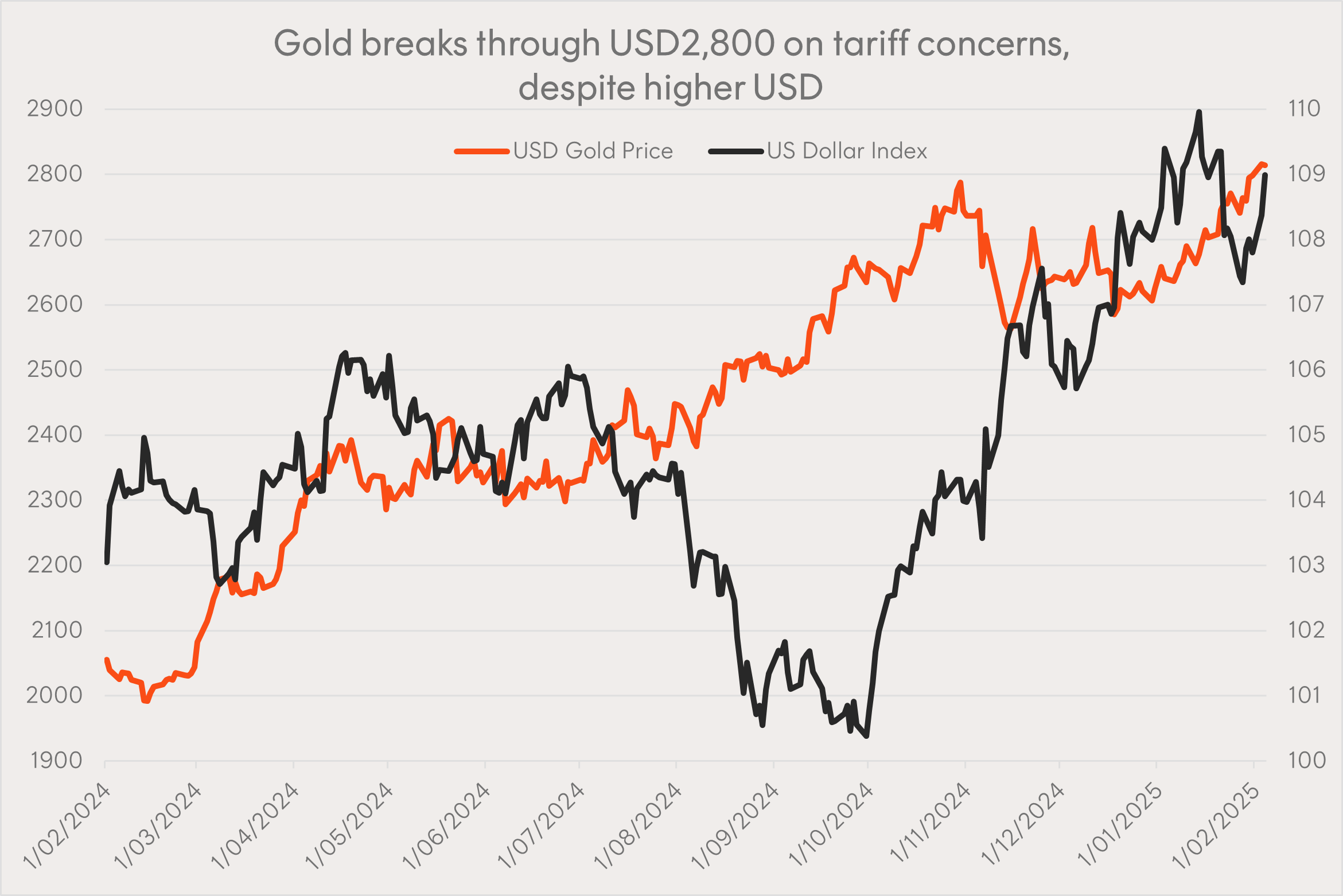
Gold has always been one of the most valued commodities, serving as a store of wealth, a hedge against inflation, and a safe-haven investment during economic uncertainty. Investors often track the gold usd rate to make informed decisions about buying, selling, or holding gold in U.S. dollars.
The gold USD price reflects the global demand and supply of gold, influenced by factors such as currency fluctuations, geopolitical events, central bank policies, and market speculation. Understanding how gold is priced in USD is essential for investors, traders, and individuals looking to protect their wealth.
What is Gold USD?
The term “gold usd” refers to the price of one ounce of gold quoted in U.S. dollars. Since the U.S. dollar is the world’s primary reserve currency, gold prices are commonly quoted in USD on global exchanges.
Monitoring gold USD prices helps investors evaluate the value of gold relative to other currencies and investment options. It also assists in timing purchases and sales to maximize returns.
Key Factors Affecting Gold USD Prices
Several factors influence gold prices in USD:
- U.S. Dollar Strength: Gold prices typically move inversely to the USD. A stronger dollar often leads to lower gold prices, while a weaker dollar can drive prices higher.
- Inflation and Interest Rates: Rising inflation and lower interest rates tend to increase gold demand, boosting USD prices.
- Geopolitical Events: Conflicts, trade tensions, and political instability often trigger higher gold prices as investors seek safe-haven assets.
- Supply and Demand: Mining output, central bank purchases, and consumer demand for jewelry and industrial use affect gold prices.
- Market Speculation: Investment trends, hedge funds, and speculative trading can cause short-term price volatility.
Understanding these factors enables investors to make informed decisions based on gold market dynamics.
How to Invest in Gold USD
Investors have multiple options to invest in gold priced in USD:
1. Physical Gold
Buying gold bars, coins, or jewelry allows investors to hold tangible assets. Physical gold is often purchased through reputable dealers, banks, or bullion markets.
2. Gold ETFs and Mutual Funds
Gold exchange-traded funds (ETFs) and mutual funds track the price of gold and can be traded like stocks. They provide exposure to gold without the need to store physical assets.
3. Gold Futures and Options
For experienced investors, gold futures and options offer opportunities to speculate on price movements. These instruments involve contracts to buy or sell gold at predetermined prices and dates.
4. Digital Gold Platforms
Online platforms allow investors to buy and sell gold digitally in USD. These platforms provide convenience, secure storage, and real-time pricing.
Monitoring gold USD rates is essential for all these investment methods to make timely decisions and optimize returns.
Benefits of Investing in Gold USD
Gold USD investments offer several advantages:
1. Hedge Against Inflation
Gold maintains its value during periods of high inflation, protecting investors’ purchasing power.
2. Safe-Haven Asset
During economic instability or financial crises, gold is considered a reliable asset that preserves wealth.
3. Portfolio Diversification
Adding gold to a diversified investment portfolio can reduce risk and volatility, enhancing overall financial stability.
4. Liquidity
Gold is globally recognized and can be easily converted into USD or other currencies when needed.
5. Long-Term Value Preservation
Historically, gold has retained value over centuries, making it a long-term store of wealth for individuals and institutions alike.
Factors to Consider Before Investing in Gold USD
Before investing, it is important to assess the following:
- Market Timing: Analyze trends and historical prices to determine optimal buying and selling periods.
- Investment Horizon: Decide whether gold will be a short-term speculative investment or a long-term wealth preservation tool.
- Storage and Security: For physical gold, consider secure storage options and insurance.
- Transaction Costs: Be aware of premiums, dealer fees, and taxes associated with gold purchases and sales.
- Global Economic Trends: Keep track of interest rates, inflation, and geopolitical developments affecting gold prices.
Understanding these factors helps investors make informed decisions and minimize potential risks.
The Role of Gold USD in Modern Finance
Gold USD serves as a benchmark for gold pricing worldwide and plays a crucial role in financial markets. It influences investment decisions, central bank policies, and currency valuations. Investors often use gold USD as a tool to hedge against market volatility, protect wealth, and achieve long-term financial security.
FAQs
1. What does gold USD mean?
Gold USD refers to the price of gold quoted in U.S. dollars per ounce, serving as a standard measurement for global gold trading.
2. Why do gold prices move with the U.S. dollar?
Gold and the U.S. dollar typically have an inverse relationship. When the dollar strengthens, gold becomes more expensive in other currencies, potentially reducing demand and lowering prices.
3. How can I invest in gold USD?
You can invest through physical gold, ETFs, mutual funds, futures, options, or digital gold platforms that provide exposure to gold priced in USD.
Conclusion
Gold USD represents more than just a commodity price; it is a critical indicator of global financial health and a strategic investment tool. By understanding factors that influence gold prices, investors can make informed decisions, hedge against inflation, and protect their wealth.
Investing in gold USD provides portfolio diversification, liquidity, and long-term value preservation, making it an essential component of a comprehensive financial strategy. Choosing the right investment method and monitoring market trends ensures optimal benefits from this precious metal.