
Enhancing Independence through Occupational Therapy
Occupational therapy (OT) is a vital healthcare profession that focuses on enabling individuals to participate in meaningful activities, or “occupations,” that are essential to their daily lives. These occupations can range from basic self-care tasks, such as dressing and grooming, to more complex activities like returning to work or engaging in leisure pursuits. The primary goal of occupational therapy is to enhance an individual’s ability to perform these tasks, thereby improving their overall quality of life.
Occupational therapists work with people of all ages, from children with developmental delays to elderly individuals recovering from strokes or surgeries. The role of occupational therapy extends beyond merely addressing physical limitations. It encompasses a holistic approach that considers the psychological, social, and environmental factors affecting a person’s ability to engage in daily activities.
For instance, an NDIS occupational therapist may assess how a patient’s home environment impacts their mobility and independence. They might recommend modifications, such as installing grab bars in the bathroom or rearranging furniture to create clear pathways. By addressing these multifaceted aspects, occupational therapy aims to empower individuals to overcome barriers and achieve their personal goals.
Assessing Individual Needs and Goals
A critical first step in the occupational therapy process is the comprehensive assessment of an individual’s needs and goals. This assessment typically involves a combination of standardized tests, observational evaluations, and interviews with the client and their family members. The therapist gathers information about the individual’s medical history, current abilities, and challenges they face in daily life.
This thorough understanding allows the therapist to identify specific areas where intervention is needed. In addition to evaluating physical capabilities, occupational therapists also consider emotional and cognitive factors that may influence a person’s performance. For example, a client recovering from a traumatic brain injury may struggle with memory and attention, which can significantly impact their ability to complete everyday tasks.
By recognizing these challenges, the therapist can tailor interventions that not only address physical rehabilitation but also support cognitive recovery. Setting realistic and achievable goals is crucial during this phase; these goals should be meaningful to the client and aligned with their aspirations for independence.
Developing Personalized Treatment Plans
Once the assessment is complete, occupational therapists develop personalized treatment plans that outline specific interventions tailored to the individual’s needs and goals. These plans are dynamic documents that evolve as the client progresses through therapy. They typically include short-term and long-term objectives, as well as strategies for achieving these goals.
For instance, if a client aims to regain the ability to cook independently, the treatment plan may incorporate activities that focus on fine motor skills, safety awareness in the kitchen, and meal planning. Collaboration is a cornerstone of effective treatment planning in occupational therapy. Therapists often work closely with other healthcare professionals, such as physical therapists, speech-language pathologists, and psychologists, to ensure a comprehensive approach to care.
This interdisciplinary collaboration enhances the effectiveness of interventions by addressing all aspects of a client’s well-being. Additionally, involving family members in the treatment planning process can provide valuable insights into the client’s daily routines and preferences, further refining the approach taken by the therapist.
Building Skills and Techniques for Independence
A significant focus of occupational therapy is skill-building aimed at fostering independence in daily activities. Therapists employ various techniques and exercises designed to enhance physical abilities, cognitive function, and adaptive strategies. For example, a therapist working with a stroke survivor may implement exercises that improve hand strength and coordination while simultaneously teaching compensatory techniques for tasks like buttoning a shirt or using utensils.
In addition to physical skills, occupational therapy also emphasizes the development of problem-solving abilities and adaptive strategies. Clients are often encouraged to explore alternative methods for completing tasks when traditional approaches are no longer feasible due to injury or illness. For instance, an individual with limited mobility may learn how to use adaptive tools like reachers or dressing aids that facilitate self-care without requiring extensive physical exertion.
By equipping clients with these skills and techniques, occupational therapy promotes self-sufficiency and confidence in their ability to manage daily life.
Incorporating Assistive Devices and Technology
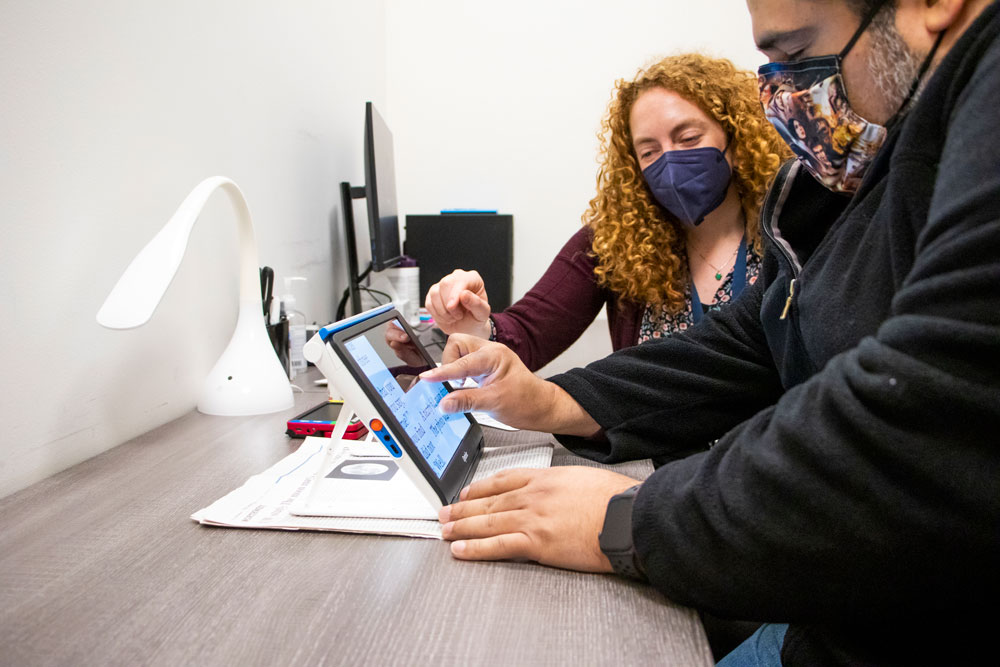
The integration of assistive devices and technology into occupational therapy practice has revolutionized the way therapists support their clients’ independence. Assistive devices can range from simple tools like adaptive utensils for individuals with limited hand function to more complex technologies such as smart home systems that enhance safety and accessibility. Occupational therapists play a crucial role in assessing the appropriateness of these devices for each client and providing training on their effective use.
For example, a therapist might introduce a client with arthritis to ergonomic kitchen tools designed to reduce strain on their hands while cooking. Similarly, individuals with visual impairments may benefit from technology such as screen readers or magnifying devices that facilitate reading and writing tasks. The use of technology not only enhances functional capabilities but also fosters a sense of autonomy by allowing clients to engage more fully in their chosen activities.
As technology continues to advance, occupational therapists must stay informed about emerging tools and resources that can further enhance their clients’ quality of life.
Supporting Long-Term Independence and Success
The ultimate aim of occupational therapy is to support long-term independence and success for clients as they navigate their daily lives. This involves not only achieving specific goals during therapy but also ensuring that individuals have the skills and resources necessary to maintain their progress over time. Occupational therapists often provide education on self-management strategies that empower clients to take charge of their own care beyond the therapy sessions and to help with common health issues as well.
Follow-up assessments are an essential component of this ongoing support. Therapists may schedule periodic check-ins to evaluate clients’ progress and make any necessary adjustments to their treatment plans. Additionally, they may offer resources for community support services or peer groups that can provide continued encouragement and motivation.
By fostering a sense of community and connection, occupational therapy helps individuals build resilience and adaptability in the face of challenges. In conclusion, occupational therapy is a multifaceted profession dedicated to enhancing individuals’ ability to engage in meaningful activities across their lifespan. Through comprehensive assessments, personalized treatment plans, skill-building techniques, and the incorporation of assistive devices, occupational therapists empower clients to achieve greater independence and improve their overall quality of life.
The ongoing support provided by therapists ensures that individuals can maintain their progress and continue thriving long after formal therapy has concluded.