
10 Essential Football Skills and Tricks Every Beginner Should Learn
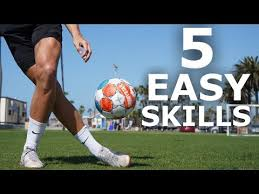
Building the Foundation of Football with Core Skills for New Learners
Every beginner stepping into the world of football dreams of becoming a skilled player, but it all starts with mastering the basics. Without strong fundamentals, it’s hard to progress toward advanced techniques or shine on the field. From ball control to passing, every skill connects to another, forming the true language of football. Beginners should dedicate time to learning these foundations before exploring complex tricks. Watching training tutorials on platforms like Lương Sơn TV can also inspire learners to observe and practice step by step.
Key foundational football skills for beginners:
- Mastering ball control with both feet.
- Developing accurate short and long passes.
- Understanding proper dribbling movements.
- Practicing basic body positioning for balance.
- Building awareness of space and movement on the pitch.
Mastering Dribbling to Move Past Opponents with Confidence
Dribbling is one of the most vital skills that separates casual players from skilled footballers. Beginners need to focus on keeping the ball close while maintaining control, ensuring they can maneuver past defenders without losing possession. The use of both feet, quick touches, and body feints make dribbling more unpredictable. Practicing different dribbling patterns also enhances agility and control, making players more comfortable in high-pressure situations.
Effective dribbling tips for beginners:
- Keep the ball close with short touches.
- Use both feet equally when dribbling.
- Incorporate body feints to trick opponents.
- Train with cones to improve footwork.
- Learn when to dribble and when to pass.
Enhancing Passing Accuracy for Stronger Team Play
Football is not an individual game, and passing accuracy ensures smooth team coordination. Beginners often overlook the importance of accurate short passes and switch of play, but these skills form the backbone of effective teamwork. A well-timed pass can break defensive lines and create scoring chances. Regular practice of ground passes, lofted passes, and one-touch play makes players more reliable teammates who can maintain possession under pressure.
Practical passing practices for improvement:
- Use the inside of the foot for controlled passes.
- Practice one-touch passing with teammates.
- Develop long passing accuracy for counterattacks.
- Work on quick decision-making while passing.
- Combine passing drills with movement training.
Developing Shooting Skills for More Scoring Opportunities
Shooting is the most exciting skill for beginners since it directly relates to scoring goals. However, powerful shots mean little without accuracy. Players must learn to shoot with proper body alignment, balance, and follow-through. Practicing different shooting techniques, such as volleys, penalties, and long-range attempts, helps create a well-rounded striker. Beginners should also train to shoot with both feet, ensuring flexibility during matches.
Shooting improvement techniques for beginners:
- Keep eyes on the ball when striking.
- Use the instep for powerful shots.
- Train finishing inside the box under pressure.
- Practice free kicks and penalties consistently.
- Focus on accuracy before increasing power.
Strengthening Defensive Techniques to Stop Opponents Effectively
Defense is often overlooked by beginners who prioritize attacking, but stopping opponents is just as important as scoring. A strong defender knows how to position themselves, intercept passes, and tackle without committing fouls. Beginners must learn patience in defense, resisting the urge to rush in recklessly. Good defensive skills also require strong communication with teammates to close down attacking threats effectively.
Defensive techniques for new players:
- Maintain proper body positioning when defending.
- Learn how to time tackles correctly.
- Anticipate passes to intercept the ball.
- Use strength wisely without fouling.
- Communicate with teammates for better coverage.
Improving First Touch to Control the Ball Immediately Under Pressure
One of the most underrated but crucial football skills is the first touch. A strong first touch allows players to control the ball quickly, giving them time to pass, dribble, or shoot effectively. Poor control often leads to lost possession, especially under defensive pressure. Beginners should focus on receiving the ball with different parts of the foot and practicing against various ball speeds. Training consistently ensures smoother gameplay and quicker decision-making. Watching professional matches on luongson171.tv can also provide useful examples of excellent first-touch control.
Training drills to refine first touch:
- Practice receiving passes with both feet.
- Train with high-speed balls for pressure control.
- Use thighs and chest for aerial ball control.
- Work on controlling the ball in tight spaces.
- Combine first-touch drills with quick passing exercises.
Increasing Game Awareness and Positioning for Smarter Football Decisions
Football is not just about physical skill—it’s also a mental game. Beginners often struggle with positioning, not knowing where to be at different moments of play. Game awareness involves reading the opponent, anticipating movements, and adjusting positioning accordingly. This skill improves teamwork, ensures better defensive coverage, and creates more attacking opportunities. Players with strong awareness are always a step ahead, even if they lack raw speed.
Ways to boost awareness and positioning:
- Study different formations and tactics.
- Watch professional matches for positioning tips.
- Always stay aware of teammates’ movements.
- Anticipate opponents’ passes and runs.
- Learn when to press, hold, or retreat defensively.
Practicing Ball Tricks and Feints to Gain an Edge Over Opponents
Once beginners have mastered the basics, adding football tricks and feints can make them more unpredictable and dangerous players. Simple moves like the step-over, drag-back, or fake pass can create enough space to escape defenders. These tricks require practice, but even a few well-executed feints can boost a player’s confidence. It’s essential not to overuse tricks, but rather apply them wisely to surprise opponents.
Easy tricks and feints for beginners:
- Step-over to confuse defenders.
- Fake pass to create space.
- Drag-back turn for quick changes in direction.
- Shoulder drop to mislead opponents.
- Simple nutmeg when opportunity arises.
Expanding the Conclusion with a Strong Focus on Consistency, Dedication, and Enjoyment in Learning Football Skills
Mastering football skills and tricks takes time, patience, and consistency. Beginners should not expect overnight results but rather commit to daily practice to see gradual improvement. The combination of ball control, dribbling, passing, shooting, defending, awareness, and tricks forms a complete player who can contribute effectively to the team. Along with physical training, mental toughness and a love for the game are equally essential. Watching professional matches, studying tactics, and enjoying every training session will keep motivation high. By blending discipline with passion, beginners can transform into confident footballers ready to shine on the field.
Final thoughts for football learners:
- Practice consistently with clear goals in mind.
- Balance skill development with fitness training.
- Focus on teamwork, not just individual glory.
- Learn from mistakes and keep improving.
- Enjoy the process and let passion guide progress.