
Where is a Katana’s Center of Balance?
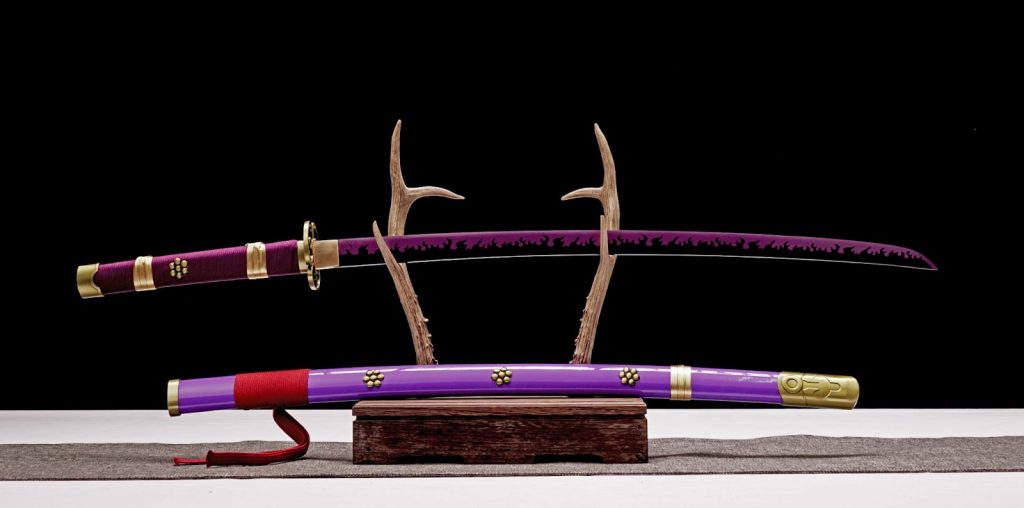
The katana is a weapon that embodies a historical narrative, combining fire and steel with centuries of traditional practices. This iconic Japanese sword, with its elegant curve and deadly sharpness, represents more than just a tool of war; it is a symbol of artistry, precision, and the samurai spirit. For collectors, martial artists, and history enthusiasts alike, understanding the intricate details of a katana sword is key to appreciating its true value. One of the most critical yet often overlooked aspects is its center of balance. This post will explore the importance of the katana’s center of balance, where it should be, and how it reflects the weapon’s overall quality.
Understanding the Center of Balance
The center of balance (CoB), also known as the point of balance, is the exact point on a sword where its weight is evenly distributed. If you were to place the sword on a single point, like your finger, this is where it would balance without tipping to either side. For any bladed weapon, the CoB is fundamental to its performance. It dictates how the sword feels in the hand, how it moves, and how effectively it can be wielded.
A well-balanced sword feels lively and responsive, becoming a natural extension of the wielder’s arm. It allows for swift, controlled movements and powerful, precise cuts. A poorly balanced sword, on the other hand, will feel sluggish, unwieldy, and difficult to control, requiring more effort to maneuver and reducing the effectiveness of its strikes. The placement of the CoB is a testament to the swordsmith’s skill, a subtle feature that separates a masterfully crafted weapon from a mere replica.
The Ideal CoB for a Katana Sword
So, where should the center of balance be on a katana? Generally, the ideal CoB for a standard katana samurai sword is located approximately 4 to 6 inches (10 to 15 cm) from the tsuba (the handguard). This placement provides an excellent equilibrium between blade presence and agility.
The location of the CoB significantly affects cutting techniques:
- A CoB closer to the tsuba(under 4 inches) makes the sword feel lighter and more nimble. This allows for faster recovery between cuts and quicker directional changes, which is advantageous for dueling and rapid defensive maneuvers. However, it may reduce the power of each individual cut, as there is less mass forward of the hand.
- A CoB further from the tsuba(over 6 inches) gives the blade more “presence” and momentum. This results in more powerful, cleaving cuts, as the forward weight drives the blade through the target. The tradeoff is that the sword can feel more tip-heavy and slower to handle, requiring more strength to control.
The 4-to-6-inch range is considered the sweet spot for most traditional katana swords, offering a harmonious blend of cutting power and maneuverability suitable for the kenjutsu techniques practiced by the samurai.
Factors That Influence a Katana’s Balance
The precise location of the CoB is not accidental; it is the result of careful design and the interplay of several key factors. A master swordsmith manipulates these elements to achieve the desired balance for a specific blade.
Blade Length and Curvature (Sori)
Longer blades naturally shift the CoB further from the handguard. Similarly, a more pronounced curve (sori) can also affect the weight distribution and, consequently, the point of balance. Smiths must adjust other elements to compensate for variations in length and curvature.
Fuller (Bo-hi)
The fuller, or bo-hi, is the groove that is sometimes forged into the side of the blade. Its primary purpose is to lighten the blade without compromising its structural integrity. The presence, length, and depth of a bo-hi can significantly reduce the blade’s weight, shifting the center of balance closer to the handle and making the sword more agile.
Handle (Tsuka) and Pommel (Kashira)
The weight and construction of the handle assembly are crucial for counterbalancing the blade. The length of the tsuka, the weight of the fittings (fuchi and kashira), and the material of the handle core all contribute to the overall balance. A heavier pommel (kashira) can pull the CoB back towards the hand, enhancing control.
Materials Used
The type of steel used for the blade and the materials used for the handle and fittings also influence the final balance. For example, a full-tang katana, where the tang (nakago) extends the full length of the handle, provides a solid foundation and contributes significantly to the sword’s balance and durability. Makoto katanas, known for their adherence to traditional methods, often use high-carbon steel and authentic materials to ensure proper weight distribution.
How to Find Your Katana’s CoB
Finding the center of balance on your own katana is a simple process. The most common method is to use one or two fingers.
- Hold your katana with the blade parallel to the ground.
- Place one or two fingers of your other hand under the spine (mune) of the blade, near the handguard.
- Slowly slide your fingers forward along the spine until you find the point where the sword balances perfectly.
- Mark this spot and measure its distance from the tsuba.
For a more precise measurement, you can use a narrow object like a wooden dowel. This method gives you a clear and repeatable result, allowing you to compare the balance of different samurai swords in your collection.
What the Center of Balance Reveals About Quality
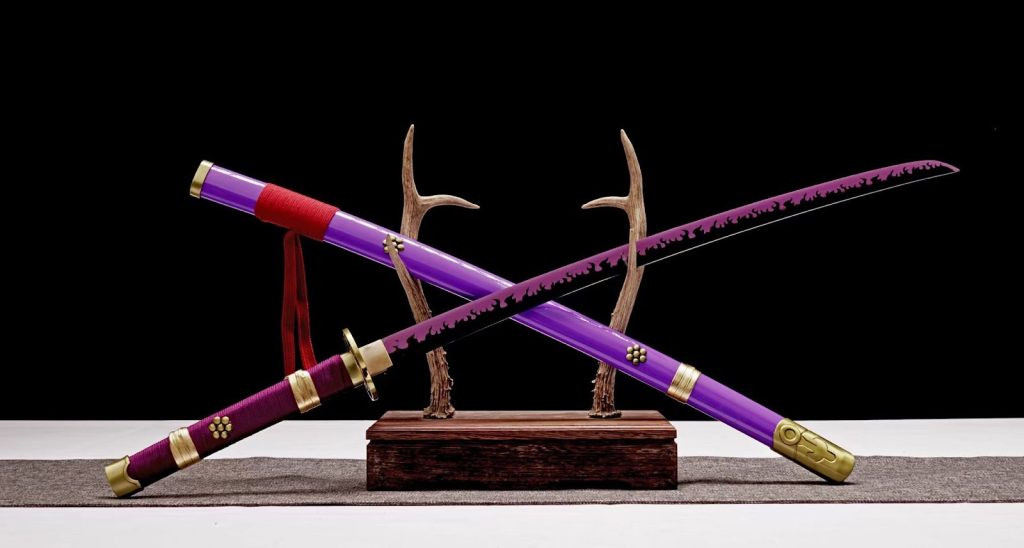
The center of balance is a subtle but powerful indicator of a sword’s quality and craftsmanship. In mass-produced swords, the balance is often an afterthought, resulting in blades that may look impressive but handle poorly. These swords can feel clunky, tip-heavy, or unresponsive.
In contrast, a custom-made or traditionally forged Japanese sword, like a Makoto katana, is crafted with immense attention to detail. The swordsmith painstakingly balances every component to create a weapon that feels alive in the hands. This dedication to achieving the perfect balance is a hallmark of authentic craftsmanship and a key differentiator between a functional work of art and a decorative object. When you hold a well-balanced katana, you are experiencing the smith’s intent and the legacy of centuries of sword-making tradition.
A Legacy Forged in Balance
The center of balance is more than a technical specification; it is the soul of the katana. It defines the sword’s character, its handling, and its effectiveness as both a weapon and a tool for martial discipline. Whether you are a dedicated martial artist seeking a responsive training partner or a collector who appreciates the finer points of Japanese swords, understanding the CoB is essential. It connects you more deeply to the history and artistry of the samurai sword, allowing you to appreciate the incredible skill required to forge a piece of living history.